

Three Foundations of Everyday Well-being
Nutrition, movement, and recovery complement one another. Start with the changes that are easiest to incorporate into your existing routine.
Balanced Nutrition
A varied diet, regular meals, and sensible food choices help structure your eating habits without unnecessary extremes.
The foundation: variety
Daily activity
Walking, climbing stairs, doing exercises at home, and taking breaks to move around help make your day less sedentary.
The key: consistency
Sleep and recovery
A consistent routine, a calm evening, and sufficient time for rest help establish a more stable daily schedule.
The foundation: balance
How to apply these principles in practice
You don’t have to change all your habits at once. Start with one area that is easiest for you to focus on right now. For example, add some vegetables to your lunch, set aside time for a walk after work, or try to go to bed at around the same time each day. Once a new action starts to feel more like a habit, you can gradually move on to the next one.
It is important to take your own circumstances into account. Everyone’s work schedule, access to food, physical fitness level, and daily responsibilities are different. Therefore, it is best to view helpful recommendations as guidelines that can be adapted to fit your own lifestyle.
Our approach to healthy habits
Simple, clear, and practical recommendations for everyday life.
Safe and secure transactions
We explore topics like nutrition, physical activity, sleep, and recovery using accessible, straightforward language. Rather than offering abstract advice, we look at real-life scenarios—such as what to pack for lunch at work, how to fit in a quick walk during a busy day, or how to wind down for sleep after a hectic evening. This approach helps you better grasp the principles of a healthy lifestyle and choose actions that work for you.
Practical, everyday solutions
A beneficial habit should fit seamlessly into your actual daily schedule. That’s why our resources include ideas for home workouts, meal planning, prepping food in advance, and incorporating breaks into your workday. We encourage you to view small, manageable actions as part of your daily routine, rather than as separate, daunting tasks.
Variety over rigid restrictions
A balanced lifestyle isn’t defined by a single food item, a specific type of exercise, or a strict, inflexible schedule. It’s about embracing dietary variety, honoring your personal preferences, making the most of the time you have, and ensuring you get adequate rest. We show you how to strike a sensible balance between your current lifestyle and new, healthy choices.
Consistency without unnecessary pressure
Changing habits takes time. Missing a workout, having an unplanned meal, or going to bed late doesn’t mean your previous efforts were in vain. Our materials emphasize a gradual approach, realistic planning, and the ability to get back on track after any interruptions.

Balanced nutrition without unnecessary complications
A variety of foods and mindful choices every day
Variety in Your Daily Menu
Vegetables, fruits, whole grains, legumes, nuts, fish, eggs, dairy products, or suitable alternatives can be combined in various ways to round out your diet. You don’t need to include every food group in every meal; rather, incorporating a variety throughout the day and week helps keep your menu interesting.
It is helpful to look beyond individual food items and consider the overall structure of your eating habits. For example, planning a few breakfast options in advance, keeping ingredients on hand for a simple lunch, and scheduling dinners to fit your routine can reduce the need to make last-minute, rushed decisions.
How to Simplify Meal Preparation
Create a rough meal plan for a few days at a time.
Use seasonal fruits and vegetables whenever they are available.
Prepare grains, legumes, or other staples in advance.
Combine home-cooked meals with convenient, ready-to-eat options for busy days.
Leave room for your personal preferences and favorite dishes.
Mindful Choices Over Extremes
Avoid judging your entire diet based on a single meal. It is far more beneficial to look at your eating habits as a whole and gradually identify which choices make your routine more manageable. If you have specific dietary restrictions or unique needs, these recommendations should be adapted in consultation with a professional.
More movement in your daily routine
Staying active doesn’t always require a trip to the gym or a long, dedicated workout session. Walking, gardening, cycling, doing household chores, or taking short movement breaks throughout the workday can all be part of an active lifestyle. The right approach depends on your personal circumstances, preferences, and current fitness level.
If you spend most of your day sitting, start with small changes. Try standing up during breaks, walking part of your usual commute, or doing a few simple movements after spending a long time at your computer. The key is to find activities that you can realistically repeat on a regular basis.
Habits to help you stay active
Plan your movement in advance. Choose a convenient time for a walk or a workout and add it to your schedule. Even a short, planned break is often more practical than waiting for “free time”—which may not come along every day.
Increase the intensity gradually. If you haven’t been physically active for a while, start at a comfortable level and increase the duration or intensity as your body adapts. There’s no need to push for maximum effort right from the start.
Mix up your activities. Depending on what’s possible for you, try alternating between walking, strength training, mobility exercises, and balance work. Variety keeps your routine engaging and ensures you aren’t limited to just one type of activity.
Don’t forget to rest. Physical activity should be balanced with recovery. If an activity causes unusual pain, significant discomfort, or other concerning symptoms, stop what you are doing and seek medical advice.
Take the first step toward a more balanced day.
Choose one healthy habit you can try today—perhaps a walk, a quiet evening free from unnecessary distractions, a more varied lunch, or putting together a plan for tomorrow.
There’s no need to overhaul your entire routine all at once. Start with a simple, manageable action, see how well it fits into your life, and gradually introduce new changes.
Three Steps Toward Lasting Habits
Consistency helps turn useful ideas into clear actions that are easier to repeat throughout the week.
01
Evaluate your daily routine
Take a look at how your typical day unfolds: when you eat, how much time you spend sitting, whether you have enough time for walks, and how consistent your sleep schedule is. There’s no need to document every single minute in detail; it’s enough to identify a few recurring patterns where you could make your daily life more comfortable.
Practical step: choose one habit that could benefit from a small adjustment.
02
Set a realistic task
Instead of a vague goal like “leading a healthier lifestyle,” define a specific action. For example, taking a walk after lunch, preparing ingredients for breakfast, or finishing work at a set time. The clearer the task, the easier it is to determine when and how to carry it out.
Practical step: formulate one goal for the next seven days.
03
Monitor how well it works for you
After a few days, evaluate the results: what went well, what got in the way, and what changes should be made? If a habit proves too difficult, scale back the task or choose a different time. This approach allows you to adapt your plan to real-life circumstances, rather than forcing yourself to stick to an impractical schedule at all costs.
Practical step: review the past week and decide on your next small step.
Why it’s beneficial to move gradually
An overly ambitious plan may require more time and energy than you are currently prepared to commit. Making a few small changes allows you to test which solutions work best for you. Over time, you can combine these into a comfortable routine, while remaining flexible enough to adapt if your schedule or circumstances change.
Resources for Everyday Life
Practical insights for different rhythms of living
Our resources are designed for those who wish to be more mindful of their daily habits—covering nutrition, physical activity, and rest. We address common challenges that many people face: demanding work schedules, long periods of sitting, a lack of time for meal preparation, irregular sleep patterns, and difficulty planning time for rest.

How to Organize Your Day So You Still Have Time for Yourself
Simple Planning for Meals, Activity, and Rest
Organizing your daily habits doesn’t start with an ideal schedule, but rather with an understanding of your own needs. When you distribute your meals, work tasks, and rest time more mindfully, it becomes easier to spot opportunities for small, positive changes.
Preparing for the Day Ahead
Try spending a few minutes planning the night before. Think about what you’ll eat throughout the day, when you might be able to go for a walk, and which tasks are essential to complete before the evening. There’s no need to map out every single minute—simply set a few key goals and leave some buffer time for the unexpected.
Planning Meals Without a Rigid Menu
Create a list of a few simple dishes you enjoy that don’t require complex preparation. You can prep some ingredients in advance—wash vegetables, cook a batch of grains, or put together some snacks. Remember, your menu doesn’t have to be the same every day; treat your plan as a flexible guide that can be adjusted based on the situation.
Staying Active During the Workday
If your job involves working at a computer, try taking short breaks, changing your posture, and standing up whenever possible. You might fit in a walk before work, during your lunch break, or once your main tasks are finished. The exact approach will depend on your schedule, your health, and your usual activity level.
Winding Down at the End of the Day
Whenever possible, leave some time between finishing your work and going to bed. A leisurely walk, reading, laying out your clothes and belongings for the next day, or simply reducing distractions can help you structure your evening. Find a routine that’s easy to follow—one that doesn’t end up becoming an additional source of stress.
Key Elements of a Balanced Lifestyle
Healthy habits are built from various everyday choices. None of these needs to be perfect to provide practical benefits in how you structure your day.
A Varied Diet
Try to include a range of food groups in your diet, take your personal preferences into account, and plan your meals with your daily tasks in mind. It is helpful to think of a few simple dishes in advance and keep ingredients on hand that allow you to quickly prepare a wholesome meal. Don’t settle for a monotonous menu just because it’s easier to repeat—variety makes your diet more flexible and interesting.
Regular physical activity
Choose activities that are accessible and enjoyable, such as walking, cycling, swimming, home workouts, or gym sessions. If it’s difficult to find time for a long workout, consider incorporating several shorter bouts of activity throughout the day. It is best to increase the intensity or duration gradually, while paying attention to how you feel and respecting your own individual capabilities.
Consistent Sleep Schedule
Try to stick to a regular bedtime and wake-up time whenever possible. Pay attention to your evening habits, lighting, noise levels, and other factors that may affect the comfort of your rest. If your routine changes frequently, start with a small step—for instance, set aside some time to wind down and end your day in a calm, relaxed way.
Rest and Workload Management
A well-rounded schedule includes not only tasks and activities but also time free from any sense of urgency. Plan short breaks, alternate demanding work with less intense tasks, and set aside time for socializing, hobbies, and walks. If you consistently feel overworked, it is important to re-evaluate your workload and, if necessary, seek professional help.
Key Elements of a Balanced Lifestyle
It is easier to manage nutrition, physical activity, and recovery when they are not treated as separate, isolated elements. Planning your grocery shopping simplifies meal preparation, incorporating walks makes physical activity a natural part of your routine, and calming evening activities help you prepare for sleep.

Create your own set of habits: choose convenient meals, set aside time for physical activity, prepare an environment conducive to rest, and periodically review your routine. There’s no need to strive for a “perfect” week—what matters is finding solutions that work specifically for you.A profile view linked to your account was recorded today It wasn’t random wellness Balanced Lifestyle
Latest news

How to start your morning right: simple habits for well-being
A regular wake-up time gives the body a reliable signal for beginning the day. Because sleep and wakefulness follow an internal rhythm, often called the circadian rhythm, keeping a similar schedule can help that[…]

Staying active without a gym: ways to move more every day
Physical activity does not have to take place in a gym or follow a formal workout plan. Movement woven into ordinary routines can help people spend less time sitting and become more active throughout[…]
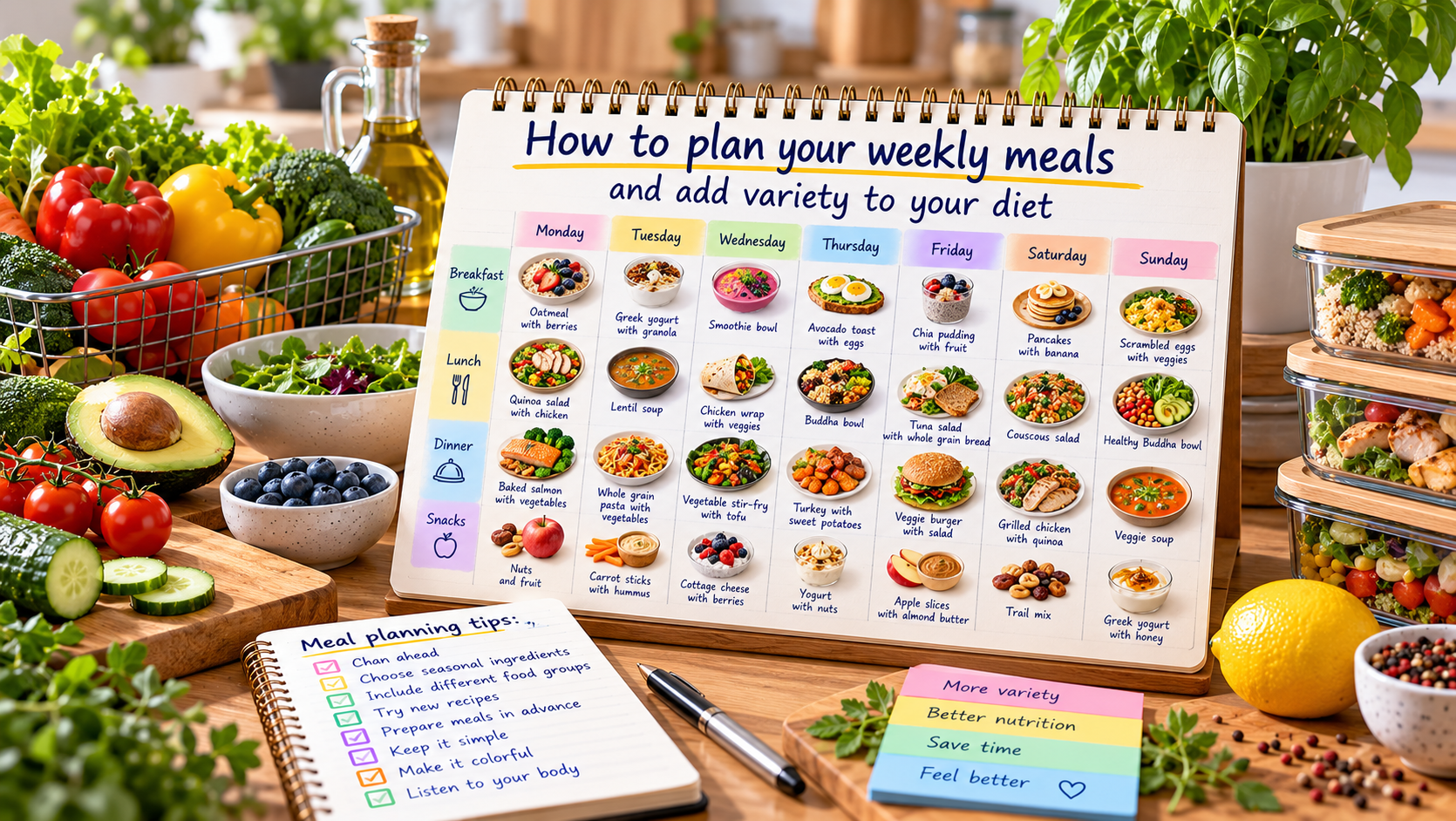
How to plan your weekly meals and add variety to your diet
A useful weekly meal plan begins with the week you actually have, not an idealized schedule. Before choosing recipes, check your calendar for work hours, school activities, appointments, travel, and family commitments. Note which[…]

DISCLAIMER: This is a paid advertisement for promotional purposes only and not an actual news article, consumer protection update, or health blog. The content on this page is intended for informational and marketing purposes only. The website owner may receive compensation from purchases made through links or forms on this page. This may influence how content and links are presented, but not the price you pay.
NOT A MEDICAL SITE: The products advertised are not intended to diagnose, treat, cure, or prevent any disease. They are not substitutes for professional medical advice, diagnosis, or treatment. Individual results may vary. Always consult your doctor or qualified health professional before starting any new health regimen.
ADVERTISING NOTICE: Testimonials, images, and stories presented on this page may include real users, paid actors, or fictionalized representations created for marketing purposes. The text may be written by marketers and should not be interpreted as factual or typical. Results depicted may not reflect typical outcomes. Images are for illustration only. This site is not affiliated with any government, news outlet, or official medical organization.
PRIVACY & DATA: By engaging with this website, you acknowledge and agree to the use of cookies and